


Physician Mortgage Loans in Pennsylvania: What Physicians Need to Know
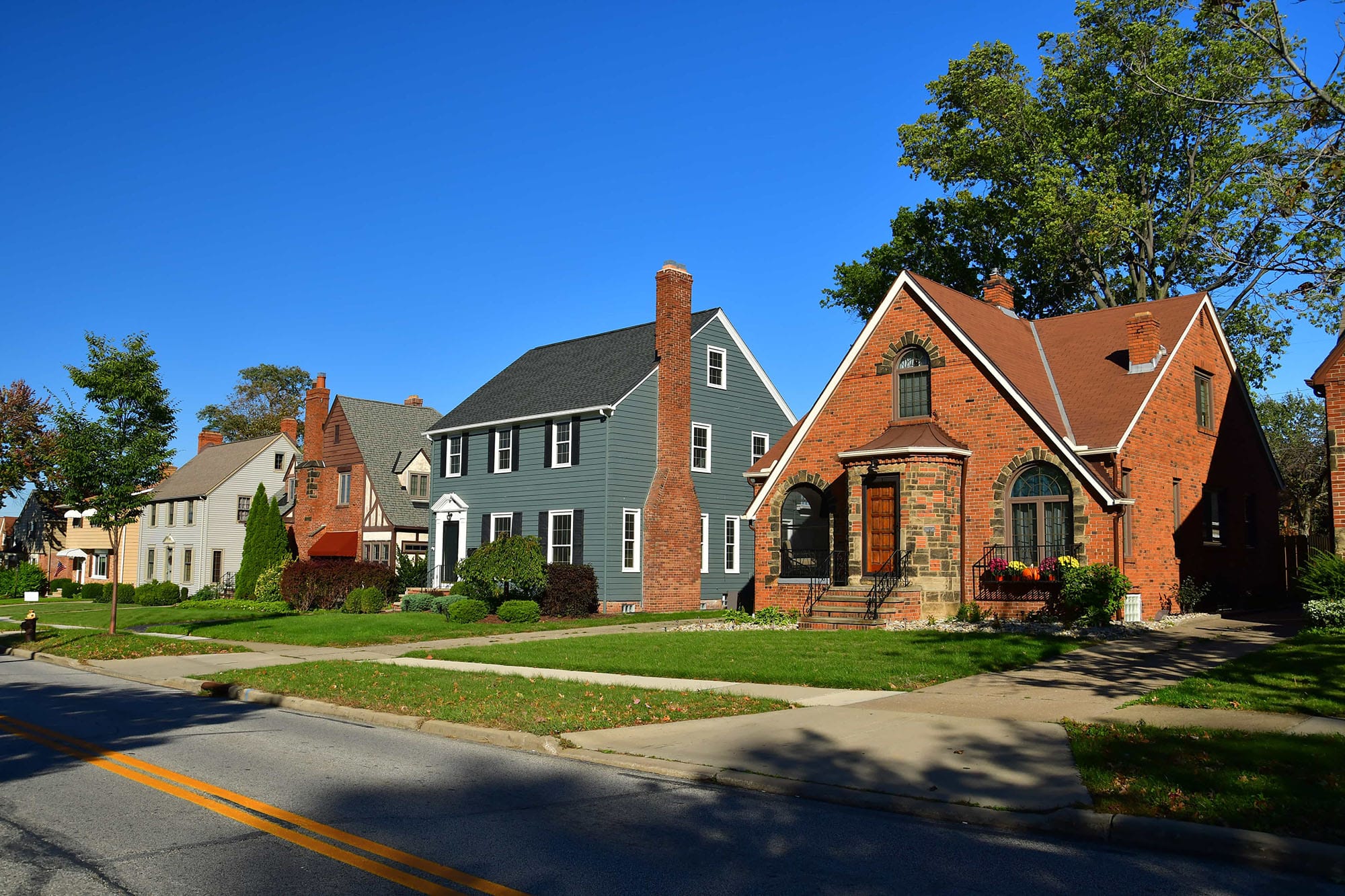

Physician mortgage loans in Pennsylvania are designed to help doctors qualify for a home despite high student debt and limited savings early in their careers. These programs often allow low or no down payment and may exclude student loans from traditional debt calculations. For physicians, the right loan depends on career stage, loan size, and eligibility – not just availability.
If you’re comparing options broadly, start with this overview of physician mortgage loan programs for doctors to understand how these loans differ across states and lenders.
How Do Physician Mortgage Loans Work in Pennsylvania?
Physician mortgage loans in Pennsylvania are structured to help doctors qualify earlier than they would with conventional financing.
Most programs allow:
- Low to no down payment (often up to 100% financing within certain limits)
- No private mortgage insurance (PMI)
- Flexible treatment of student loan debt
- Qualification using an employment contract before your start date
These loans are typically restricted to primary residences and may have loan size caps where higher balances require a down payment. Programs vary significantly by lender, so comparing multiple options is essential.
To evaluate eligibility and compare available lenders in Pennsylvania, check your physician mortgage rates.
What Physician-Specific Features Should You Evaluate Before Choosing A Loan?
The most important factors are down payment structure, student loan treatment, and eligibility based on your career stage.
Down Payment Requirements
Some lenders offer 0% down up to certain loan limits (commonly $1M), while higher loan amounts may require 5–15% down.
Student Loan Treatment
Many physician loans use more flexible underwriting than conventional loans. This can include:
- Ignoring deferred loans
- Using income-based repayment instead of full balances
For context, the Consumer Financial Protection Bureau explains how debt-to-income ratios affect mortgage approval, which is particularly relevant for physicians with large student debt loads.
Income Qualification Timing
Some lenders allow you to qualify with a signed employment contract up to 90–180 days before your start date, which is especially useful for residents and fellows transitioning to attending roles.
PMI And Loan Structure
Many physician loans do not require PMI, even with low down payments, but this is lender-specific, not universal.
Tradeoffs To Consider
- Higher loan amounts may require a down payment
- Some programs exclude physicians more than 10 years out of training
- Property restrictions (often primary residence only)
Which Physician Mortgage Lenders Operate in Pennsylvania?
Multiple lenders offer physician mortgage programs in Pennsylvania, each with different eligibility rules and loan structures.
BMO
- Eligibility: MD, DO, DDS, DMD
- 100% financing up to $1M
- Primary residences only
- Purchase, refinance, and construction loans available
First Horizon
- 100% financing up to $2M
- Can close up to 180 days before employment start
- No PMI required
- Includes MD, DO, DDS, CRNA, CPA, and DPM
- Learn more about eligibility and structure in this First Horizon physician mortgage review
First National Bank of Pennsylvania
- 100% financing up to $1.25M
- 95% up to $1.5M
- Allows primary and secondary homes
- Construction financing available
Huntington Bank
- 100% financing up to $1M
- 95% up to $1.25M, 90% up to $2M
- Residents eligible only under $1.25M
- Primary residences only
Truist
- 100% financing up to $1M
- 95% up to $1.5M, 90% up to $2M
- No PMI
- Flexible debt-to-income requirements
- Not available to physicians >10 years in practice
Each lender structures eligibility, loan limits, and property types differently, so side-by-side comparison is critical.
Are Physician Mortgage Loans Better Than Conventional Loans in Pennsylvania?
Physician loans are not universally better – they are situationally advantageous.
They are typically a better fit if:
- You have high student debt relative to income
- You have limited savings for a down payment
- You are early in your career (resident, fellow, or new attending)
Conventional loans may be more appropriate if:
- You can make a 20% down payment
- You want broader property eligibility
- You are more than 10 years into practice and may not qualify for physician programs
The Federal Housing Administration outlines general mortgage qualification standards, which helps highlight how physician loans differ from standard underwriting approaches.
What Steps Should Physicians Take Before Applying?
Start by confirming eligibility and comparing multiple lenders before submitting a full application.
You will typically need:
- Employment contract or proof of income
- Medical license or proof of eligibility
- Documentation of student loan obligations
- Credit and asset information
Because physician mortgage programs vary significantly, the most efficient approach is to compare lenders based on your specific situation rather than applying individually to each bank.
Key Takeaways
Physician mortgage loans in Pennsylvania are designed to help doctors qualify for home financing despite student debt and limited savings. These programs often offer low or no down payment and may exclude or reduce the impact of student loans in underwriting. Eligibility and loan structure vary significantly by lender, including restrictions based on career stage and loan size. Comparing multiple lenders is essential to avoid mismatches in qualification or property eligibility.
Authors